Matilda Oldman’s biography centers on a concise map of family dynamics and formative environments. Her upbringing blends structured domestic life with creative influence from both parents and siblings. Urban proximity to cultural institutions shaped disciplined exposure to varied artistic systems, while modest rituals anchored memory and place. Early mentors and collaborative experiences chart a measured path, where resilience and self-awareness influence thematic priorities. The resulting trajectory invites closer scrutiny of how these early conditions inflect her current work.
Matilda Oldman: A Snapshot of Her Roots
Matilda Oldman’s origins can be traced through a blend of familial lineage, geographic placement, and early formative influences.
The examination reveals memory motifs shaping perception and an urban upbringing that informs resilience, perception of risk, and social navigation.
This snapshot emphasizes structural factors over sentiment, presenting a concise, evidence-based portrait suitable for readers seeking freedom through contextual clarity and analytical insight.
Family Ties: Parents, Siblings, and Early Influences
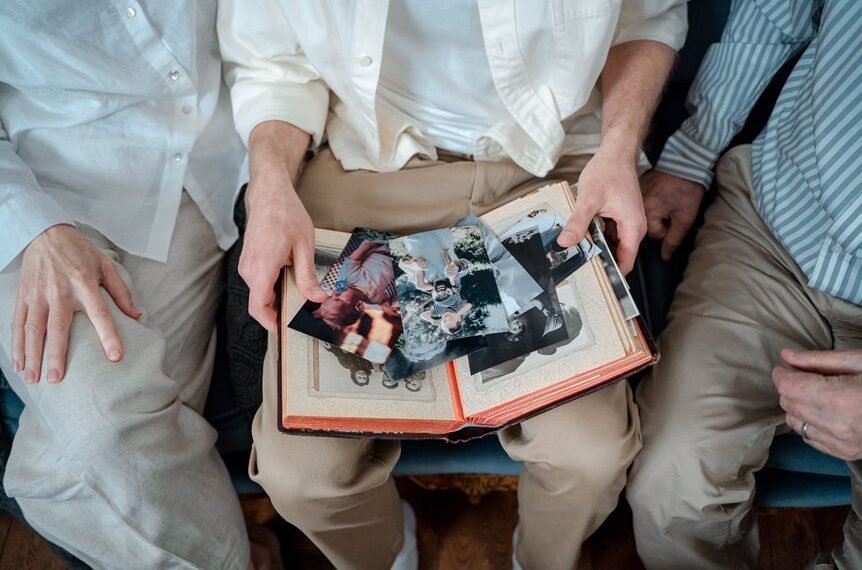
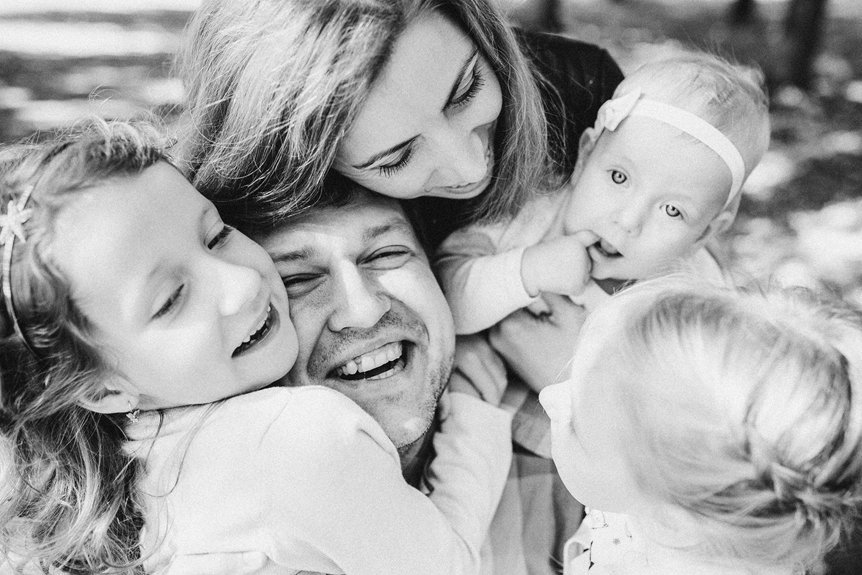
The family context surrounding Matilda Oldman is best understood through a concise mapping of parental roles, sibling dynamics, and early environmental influences that shaped her formative years.
The portrait emphasizes structured parenting, shared creativity, and modest domestic culture, while noting extraneous anecdotes and controversial rumors that surface in public discourse but do not redefine core influences on her development or later professional orientation.
Upbringing and Key Moments That Shaped Her Artistry
Several formative experiences defined Matilda Oldman’s artistic trajectory, including disciplined exposure to diverse creative systems, early apprenticeship in collaborative projects, and sustained engagement with local cultural institutions that cultivated observational acuity, technical curiosity, and a propensity for cross-disciplinary experimentation.
Upbringing contrasts emerge through family influence, early mentors, and childhood environments, yielding measured artistic development and a coherent, disciplined path that informs present practice without celebratory excess.
The Legacy in Her Work: How Background Feeds Creative Vision
The interweaving of background factors with artistic output becomes evident in how past environments shape present creative decisions, methods, and thematic priorities in Matilda Oldman’s work. This analysis traces how legacy themes recur, shaping artistic identity through motifs of resilience, memory, and place. Not relevant to external trends, the work remains anchored in personal history, yielding a coherent, self-aware body of creative practice.
Frequently Asked Questions
What Are Matilda Oldman’s Hidden Talents Beyond Acting?
Hidden talents remain largely undisclosed; public records show no verifiable claims beyond acting. A detached assessment notes privacy balance limits speculation, emphasizing that any non-professional skills would require reliable corroboration rather than conjecture.
How Did Her Education Influence Her Career Choices?
Education pathways guided choices, shaping selective casting opportunities as Matilda Oldman navigated diverse curricula and mentors. The analysis shows education informed roles, industry networking, and strategic projects, yielding measured career flexibility while preserving autonomous professional agency.
Which Mentors Shaped Her Early Artistic Voice?
Mentors shaping her early artistic voice included figures whose mentorship themes emphasized disciplined practice and curiosity, while broader artistic influences underscored risk-taking and interpretation. These mentorship themes and artistic influences collectively informed a measured, autonomous creative trajectory.
What Charitable Causes Has She Supported Publicly?
Matilda Oldman has supported several causes through charitable advocacy and public philanthropy, including education, health research, and arts access. Her public stance emphasizes transparency, impact measurement, and sustained funding, reflecting a principled, policy-informed approach to social betterment.
How Does She Balance Privacy With Media Attention?
Under pressure, she navigates privacy management amid media scrutiny, balancing openness with boundaries. She maintains selective transparency and consistent messaging, leveraging professional boundaries and strategic disclosures, reflecting a measured approach to public interest while safeguarding personal autonomy.
Conclusion
Matilda Oldman’s background, parsed with cool detachment, reveals a tidy syllabus of influence rather than a chaotic origin story. The family’s quiet curricula—structure, mentorship, shared duties—are treated as data points shaping an art that favors resilience and situational awareness. Yet the satire lies in the assumption of neat causality: place, mentors, and memory do not merely instruct; they empirically justify a coherent practice. In sum, background informs method, but never fully prescribes the art itself.