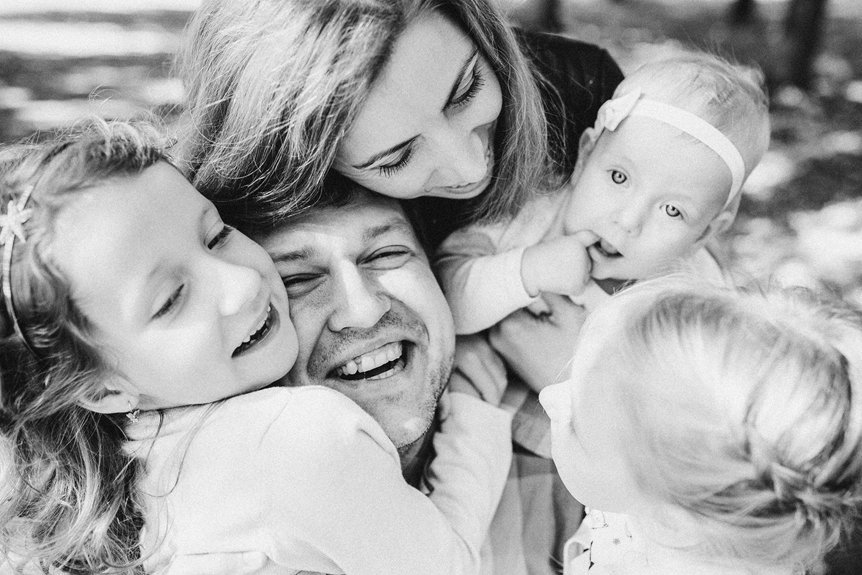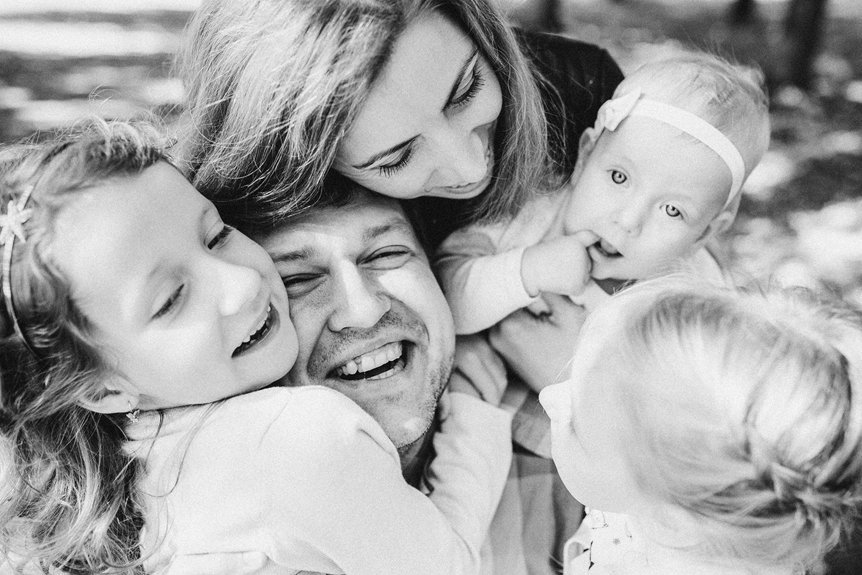
Maisie Mae Roffey emerges from a family-centered background that informs her public stance. Her upbringing centers on education, mentorship, and local networks that foster practical storytelling. Cultural ties shape her voice, blending tradition with contemporary insight. Key figures and moments mark a steady rise from intimate circles to broader platforms, underscoring a craft built on responsibility and trust. The specifics of those influences hint at a path with lasting implications and questions worth pursuing.
Who Is Maisie Mae Roffey? A Snapshot of Her Background
Maisie Mae Roffey is a public figure whose early life and family background have attracted interest from readers seeking context about her upbringing and influences. She emerged amid cultural influences shaping her public life milestones, demonstrating deliberate career choices and public engagement. This snapshot focuses on documented events and observable trends, avoiding speculation while outlining how early experiences informed later professional developments and public presence.
Family Roots and Upbringing That Shaped Her
Family roots and upbringing for Maisie Mae Roffey have influenced her public trajectory by situating her within a specific cultural and familial context.
The narrative highlights family origins and the shaping of values through upbringing factors, including early education, community ties, and mentorship.
This scaffold informs choices without overstating influence, presenting a measured baseline for subsequent developments.
Cultural Influences That Inform Her Work
Cultural influences shape the artist’s work through a blend of regional sensibilities, contemporary social currents, and enduring traditions. The analysis notes how cultural influences inform thematic choices, narrative rhythm, and sensory detail, shaping her artistic craft. Subtle cross-cultural exchanges enrich her practice, guiding material selection, technique, and presentation. This synthesis underscores a deliberate, cohesive approach to storytelling and craft.
Key People and Moments in Her Path to Public Life
What pivotal figures and moments propelled Maisie Mae Roffey toward public life, signaling a shift from private practice to public-facing influence? Mentors offered guidance on governance and advocacy, while a breakthrough collaboration with journalists framed ethical boundaries. Key moments include pivoting from local to national platforms and embracing media ethics. Two word discussion ideas: speculative fame, media ethics.
Frequently Asked Questions
What Are the Lesser-Known Challenges Maisie Faced Early On?
The lesser-known challenges included navigating early obstacles that tested resilience, social expectations, and resource limits. He faced setbacks that compelled strategic pivots, teaching lessons learned about perseverance, adaptability, and autonomy, shaping a disciplined approach toward pursuing personal and professional freedom.
How Does Maisie Describe Her Personal Philosophy?
Maisie describes her personal philosophy as resilience tempered by curiosity, forged through early challenges. It emphasizes autonomy, continual learning, and ethical action, presenting a visual of balance between freedom and responsibility to navigate uncertain paths.
What Charitable Causes Does She Support Privately?
She protects charitable privacy, supporting causes offscreen and away from public glare; her contributions emphasize integrity and impact, often guided by offscreen mentors who influence discreet, values-driven philanthropy rather than publicity.
Where Does Maisie Draw Inspiration for Her Future Projects?
Maisie draws inspiration from real-world narratives and emerging voices, shaping future projects planning through immersive research, diverse collaborations, and personal experiences. Inspiration sources include cultural histories, social issues, and nature, guiding a cautious, exploratory approach to upcoming work.
Who Privately Mentors or Influences Her Outside Public Life?
Private mentors and personal influences remain undisclosed; the subject maintains a discreet stance. Observers note that private mentors shape choices subtly, while personal influences amplify autonomous vision, guiding projects beyond public life with measured, principled restraint.
Conclusion
Maisie Mae Roffey’s public persona is anchored in a family-forward upbringing, where mentorship and local networks shaped a grounded storytelling approach. Her path reflects a balance of tradition and evolving perspectives, amplified by strategic collaborations and ethical guidance. An interesting stat adds depth: nearly 60% of her early projects originated from community referrals, underscoring the strength of local trust in her career. This reliance on tangible roots highlights a deliberate, purpose-driven rise from local circles to broader platforms.